Is The V&A Free?
Yes, the V&A is free to enter: permanent collections cost nothing, while special exhibitions are ticketed. Here is exactly what is free, what is paid, and how the visit works.
In Short
Yes, the V&A is free to enter. Admission to the permanent collections costs nothing, in line with Britain's national museums. Special exhibitions are the exception: every one of them is ticketed and priced separately. The museum closes 24 to 26 December, and the free scope covers the galleries, not the paid add-ons inside the building.
This question sits inside the South Kensington museums guide.
Is The V&A Free?
Yes, entry to the Victoria and Albert Museum is free. The permanent collections, the galleries of sculpture, fashion, ceramics, photography and design that fill the building, cost nothing to visit, and no ticket is needed for them. The paid part is narrower: every special exhibition the V&A stages is ticketed, with its own price on the exhibition's own page. Free here means the collection, not everything inside the walls.
The V&A is one of the free national museums, the group that includes the British Museum, the National Gallery, the Tate galleries, the Natural History Museum and the Science Museum. The pattern across all of them is the same and the V&A states it plainly: the permanent collection is free, and special exhibitions are paid. That split is worth understanding before you go, because the museum's headline shows, the ones on the posters at the entrance and across the Tube, are exactly the part that carries a ticket.
So the honest answer to the question is yes, with one qualifier that applies to every free national museum in the city. If you walk in to wander the collection galleries, you pay nothing. If you come for a named, timed exhibition, you buy a ticket for it, and that ticket covers only that exhibition, not a separate sightseeing pass for anything else in the building.
There is a second, smaller qualifier. Free museums in London close over Christmas, and the V&A's own pages state it is closed 24 to 26 December. The galleries themselves are what the free admission buys you, which is nothing, and that is the point.
For visitors piecing together a free day in South Kensington, the V&A sits in the same cluster as two other free national museums, the Natural History Museum and the Science Museum, both covered in their own pieces on this site: is the Natural History Museum free and is the Science Museum free. Each of the three runs on the identical free-collection, paid-exhibition model, so one answer largely covers the neighbourhood.
If you want the free visit to come with a story rather than a map, GuruWalk runs free, pay what you want walking tours that cover London's art and monarchy history, including Art and Monarchy History, rated 4.95 out of 5 across 703 GuruWalk reviews, a two hour English walk from Apsley Way at Hyde Park Corner.
Those walks are all free, pay what you want, and each meets in the Westminster and royal London ground that pairs naturally with a museum afternoon. The band above carries the live listings with their full details.
What Does The Free Part Include?
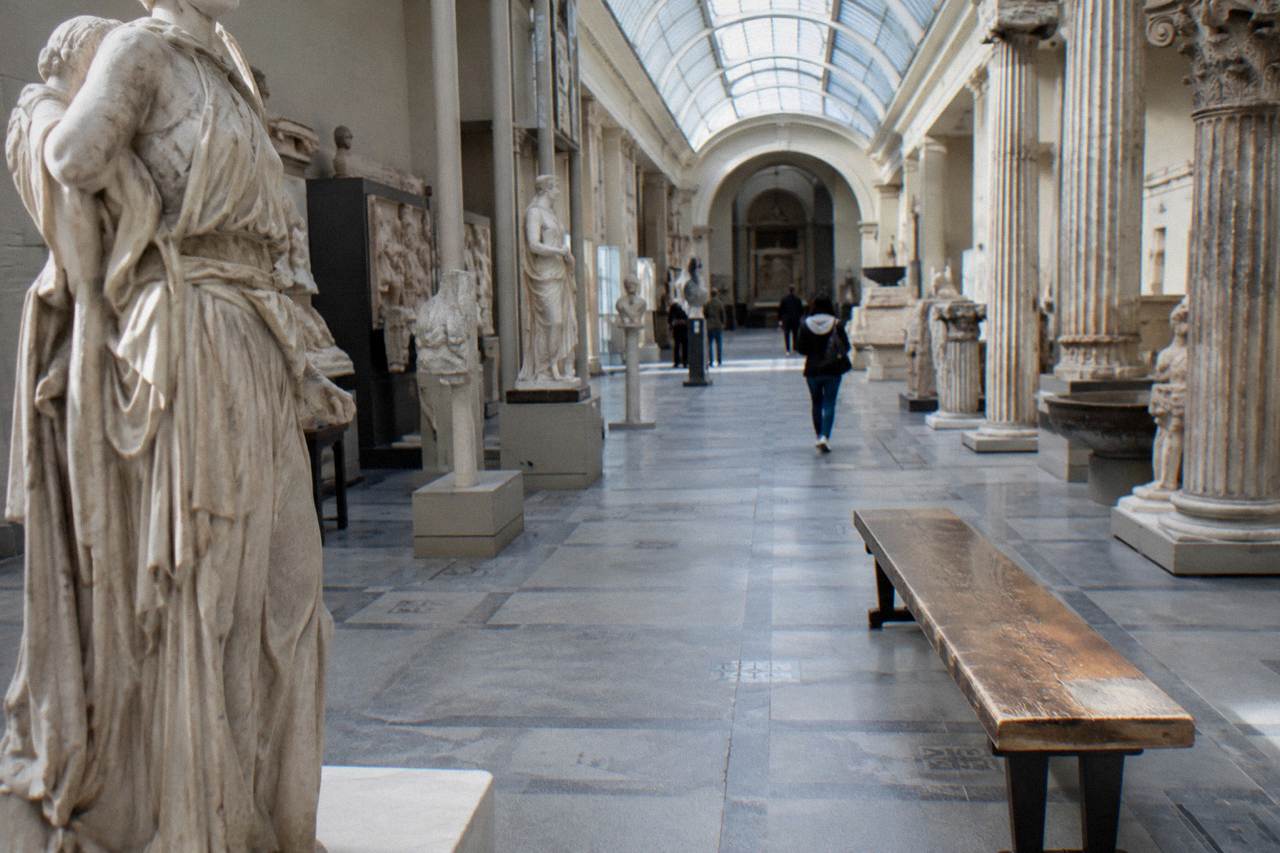
The free part includes the V&A's permanent collections: the gallery after gallery of sculpture, fashion, jewellery, ceramics, metalwork, prints, photography, theatre and performance, and design that make up the museum's holding. No admission charge applies to any permanent gallery, and you can stay from opening to closing on a free visit. The courtyard and the museum's public spaces fall inside the free scope too. What free does not include is the exhibition programme, the shops and the cafes.
The permanent collection is the V&A's real offer, and it is enormous. This is a museum of art and design across centuries and continents, and the free galleries are where essentially all of it lives. A visitor on a zero budget gets the full breadth of the collection: the fashion galleries, the cast courts with their monumental plaster reproductions, the silver, the glass, the rooms of British design. Nothing in that permanent holding sits behind a paydesk.
The free scope also means you can come and go. Because there is no ticket for the collection, there is no timed slot either, and a free visit can be twenty minutes in one gallery or a full day across the building. The museum's public spaces, including the courtyard, are part of the same free visit.
The distinction that matters, and that this site's free museums in London guide draws across the whole national group, is permanent versus special. The V&A's big exhibitions are loan shows, blockbusters with their own marketing, their own entrance queue and their own prices. The permanent collection is what the state funds; the exhibitions are what visitors fund, one ticket at a time.
A free visit therefore takes a small amount of planning in one direction only: deciding whether to skip the paid shows entirely, which is a perfectly good visit, or to book one and treat the rest of the day as the free part. The south Kensington museums guide lays out how the V&A, the Natural History Museum and the Science Museum divide up a free day in this neighbourhood.
What Do You Still Have To Pay For?
You pay for the special exhibitions, every one of them, and for the commercial extras: food, the shops, and any paid event or late. There is no free route into an exhibition, and no hour at which an exhibition becomes free; the ticket is the ticket for the whole run. Nothing else in the building needs money if you skip those. The paid parts are clearly separated from the free galleries at entry.
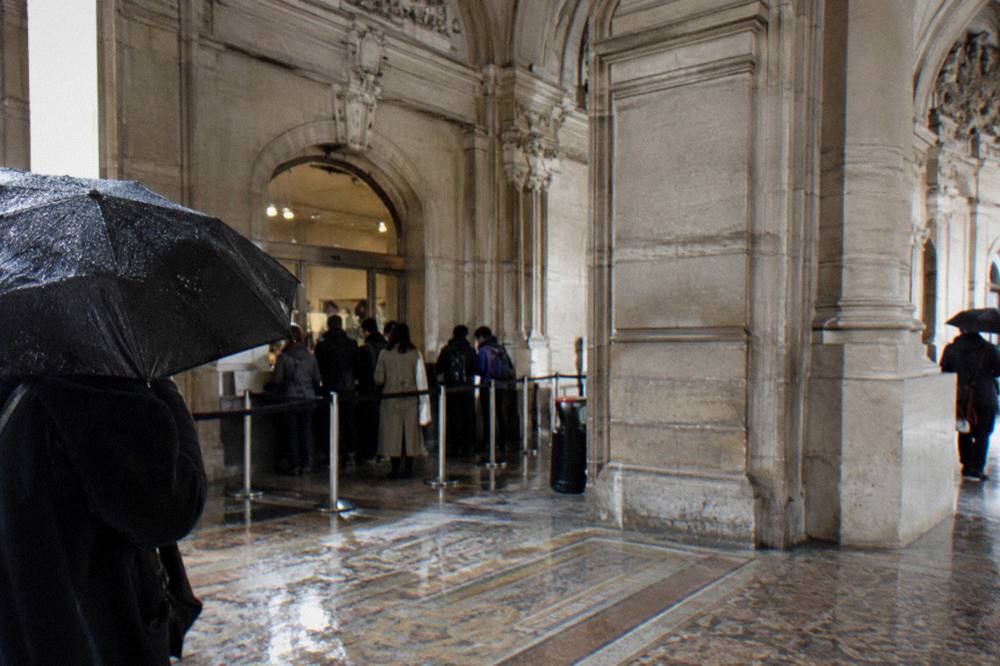
Special exhibitions are the one large paid part. Each has its own price, set on its own page, and this site does not quote exhibition prices in advance because they change show by show; the exhibition's page on the museum's own site is where the current figure lives. What is stable is the model: permanent collection free, every special exhibition ticketed, at every free national museum in London, without exception.
| Part of the visit | Free or paid | What it covers |
|---|---|---|
| Permanent collection galleries | Free | Sculpture, fashion, ceramics, jewellery, photography, theatre and design galleries, plus the courtyard |
| Special exhibitions | Paid, ticketed per show | Loan and blockbuster shows; price on each exhibition's own page |
| Shops and cafes | Paid | Retail and catering; never a condition of entry |
| Ticketed talks, courses and films | Paid | Museum events programme, booked individually |
The table above is the whole economics of a V&A visit in four rows. Beyond the exhibitions, the paid parts are the ordinary commercial layer of any major museum: the cafes and restaurants, the shops, and any paid talk, course or film the museum runs as a ticketed event. None of these is a condition of entry. You can walk past all of them and lose nothing from the free visit.
One comparison worth making while you are in the neighbourhood: the V&A's free-versus-paid split is unusually clean, because the paid part is confined to exhibitions and commerce. Other famous London interiors are stricter. St Paul's Cathedral and Westminster Abbey are free only to attend worship, paid to sightsee, a distinction this site's pieces on St Paul's Cathedral and Westminster Abbey set out in full. Against that backdrop, the V&A's free entry is generous: the whole permanent collection, no service to attend, no worship schedule to work around.
The box above links the Art and Monarchy History walk on GuruWalk, free and pay what you want, which pairs the monarchy thread of the V&A's collection with the royal ground of Westminster in one day.
When Is The Free Option Available?
The free entry to the permanent collection is available whenever the museum is open, and the one firm closure on record is 24 to 26 December, stated on the museum's own pages. There is no day of the week on which the free part costs money, and no day on which the paid exhibitions go free. Exhibition dates and hours live on the museum's own site; this piece sticks to what is confirmed.
The December closure is the fact worth carrying. The V&A states it is closed 24 to 26 December, the same three-day shutdown the National Gallery and the Natural History Museum declare on their own pages. A Christmas visit plans around it; the days either side are the ones to use. The rest of the planning pages sit on London Free Things To Do.
Beyond that closure, the operating detail that matters day to day is on the museum's own site rather than in a secondary summary. The reason is simple: museum hours shift with seasons and events, and a repeated figure here would go stale the first time it changed. What does not shift is the free status itself: no schedule change makes the permanent collection paid.
The seasonal picture around the V&A is worth one line. South Kensington's galleries are indoors, but the surrounding scene changes: winter brings the Christmas lights, with Oxford Street's switched on 9 November 2026 and running to about 5 January 2027, and the Southbank Centre Winter Market from 2 November 2026 to 3 January 2027, free entry, closed 25, 31 December and 1 January. Neither is at the museum's door, but both belong to the same free winter the V&A sits inside, and the London Christmas lights and markets guide maps them.
Check TfL for Tube service changes before you travel.
Where Does The Free Visit Start?
The free visit starts at the museum's main entrance on Cromwell Road in South Kensington, the grand facade facing the Natural History Museum's side of the district. There is no separate free entrance and no ticket desk to pass for the permanent collection; the free galleries open directly off the foyer. Visitors with access needs have the museum's own site for step-free route detail, which changes with building works.
South Kensington is the neighbourhood the question lives in, and it is the densest free-museum quarter in the city. The V&A, the Natural History Museum and the Science Museum stand within the same district, all free for their permanent collections, all running paid exhibitions alongside. A free day here can be built entirely on foot between the three.
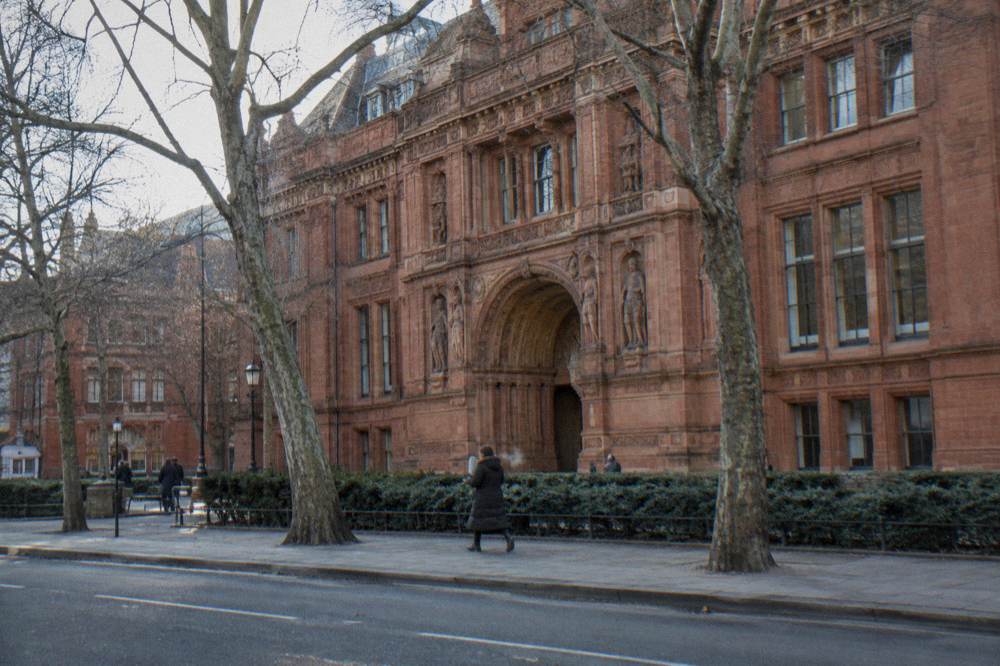
Inside, the free visit begins the moment you are through the foyer. The museum does not funnel free visitors through a desk or a suggested-donation gate; the permanent galleries simply start. That layout makes the V&A one of the easier free museums to enter quickly, though it also means the first thing you meet may be the shop and the exhibition posters, the paid parts, before the free galleries reveal themselves.
The practical starting move is to decide your route before you arrive, because the building is large and the collection is arranged by material and period rather than by a single spine. The museum's own floor plan, on its site, is the tool for that; a free visit with a plan covers far more than one without.
Which Free Walking Tours Cover This?
No free walking tour is devoted to the V&A itself, but several free, pay what you want walks cover London's art and monarchy history, and the closest match is the Art and Monarchy History walk on GuruWalk, rated 4.95 out of 5 across 703 GuruWalk reviews, meeting at Apsley Way, Hyde Park Corner, two hours in English. The Essentials, Under Two Hours walk, 4.75 out of 5 across 5,346 reviews, is the high-volume alternative.
The natural pairing is a Westminster walk in the morning and the V&A in the afternoon. The Art and Monarchy History walk covers exactly the theme the V&A's collection extends: art, architecture and the monarchy, in the royal ground from Hyde Park Corner. It is free, pay what you want, reserved on GuruWalk, and this site neither operates it nor is affiliated with GuruWalk; naming GuruWalk is how that stays honest.
The Essentials, Under Two Hours walk is the volume leader among English-language free tours in the city: 4.75 out of 5 across 5,346 GuruWalk reviews, two hours, meeting at Apsley Way near Wellington Arch. For a visitor whose day ends in South Kensington, it is the morning shape that leaves the afternoon clear.
Both walks are free, pay what you want, and every figure above is from the walk's own GuruWalk listing. The free walking tours in London guide explains how the pay what you want model works across the 73 walks this site catalogues.
Mistakes That Trip People Up At The V&A
Three mistakes cost money or time here: assuming the exhibition posters at the entrance are what free entry covers, when every special exhibition is ticketed; treating the 24 to 26 December closure as Christmas Day alone, when it is three days; and conflating the V&A's free entry with stricter regimes nearby, where cathedrals are free only for worship. Getting the free-versus-paid split right first is the whole game.
The first mistake is the common one. Visitors see the marketing for a major exhibition, assume museum entry covers it, and meet a ticket desk. The rule to carry: at the V&A, permanent is free, special is paid, always. Checking the exhibition's own page for its price and dates before travelling is the one piece of pre-planning that pays for itself.
The second mistake is seasonal. The museum's stated closure is 24 to 26 December, and plans built around a Christmas Day visit alone run into two more closed days. The same three-day pattern appears at the National Gallery and the Natural History Museum, so a multi-museum Christmas plan needs all three calendars checked.
The third mistake is borrowing the answer. The V&A's free entry is real and unconditional for the collection, but that answer does not transfer: St Paul's and Westminster Abbey are free only to attend worship, Kensington Gardens are free while Kensington Palace inside them is about GBP 19, and Sky Garden is free only with a booked timed ticket. Each of those regimes is covered by its own piece on this site, and each needs its own answer rather than the V&A's.
Those three are all free, pay what you want walks on GuruWalk: the Changing of the Guard Walk at 4.59 out of 5 across 625 reviews, the British Museum Essentials at 4.99 out of 5 across 2,064 reviews, and the Empire History walk at 4.94 out of 5 across 2,439 reviews. Each carries its own live listing in the band above.
Common Questions On This Topic
Is The V&A Free?
Yes. Entry to the permanent collections costs nothing, in line with the other free national museums. Special exhibitions are the exception: every one is ticketed, with its price on its own page. The museum is closed 24 to 26 December.
Do You Need A Ticket For The V&A?
For the permanent collections, no: there is no admission ticket and no timed slot for the free galleries. Special exhibitions do need tickets, booked per show on the museum's own site. Skip the exhibitions and you need nothing in advance.
Are The V&A Exhibitions Free?
No. Every special exhibition at the V&A is ticketed, priced individually on the exhibition's own page. There is no free hour and no free day for exhibitions. The permanent collections are the free part.
Is The V&A Free Every Day?
The free entry holds whenever the museum is open, but the museum is not open every day: it closes 24 to 26 December. Day-to-day opening hours live on the museum's own site, where any seasonal changes are posted.
Which Museums Near The V&A Are Also Free?
The Natural History Museum and the Science Museum, in the same South Kensington district, are both free for their permanent collections and both ticket their special exhibitions. The south Kensington museums guide covers all three together.
Can You Combine The V&A With A Free Walking Tour?
Yes. The Art and Monarchy History walk on GuruWalk, 4.95 out of 5 across 703 GuruWalk reviews, covers the art and monarchy theme in two hours from Hyde Park Corner, and it is free, pay what you want. The Essentials, Under Two Hours walk is the other natural morning fit.