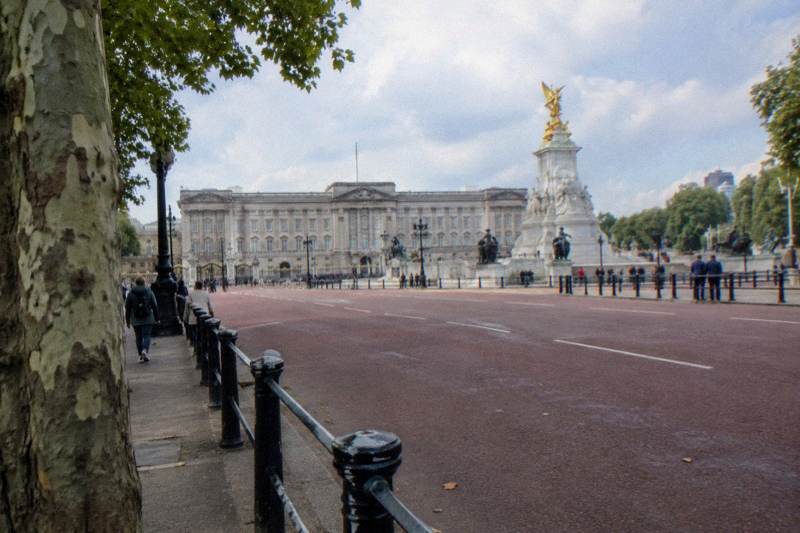
Is The Natural History Museum Free?
Yes, the Natural History Museum is free for its permanent galleries, with a free ticket to book. Here is what that includes, what still costs money, and how the free visit works.
In Short
Yes, the Natural History Museum is free. Entry to the permanent collection costs nothing, and the museum offers a free ticket to book ahead. The paid parts are special exhibitions, some ticketed activities and services such as the cloakroom. The museum states it is closed 24 to 26 December. It sits in South Kensington, next to two other free national museums.
This question sits inside the South Kensington museums guide, which covers the whole free museum quarter around the building.
Is The Natural History Museum Free?
Yes, the Natural History Museum is free to enter. General admission to the permanent collection costs nothing, and the museum offers a free ticket that visitors can book ahead of a visit. The arrangement is the standard national-museum pattern in London: permanent galleries free, special exhibitions and some activities paid. So the honest answer is free for the main visit, with paid extras if you choose them.
The free part is not a discount, a limited slot or a residents-only scheme. It is the museum's standing admission policy, the same one that applies at the British Museum, the National Gallery, the Tate galleries and the Victoria and Albert Museum a few minutes away on the same streets. You can decide to visit tomorrow, book the free ticket and walk into the permanent galleries without paying anything, and that has been the arrangement at these institutions for two decades.
One nuance is worth getting right before anything else. The Natural History Museum offers a free ticket to book, and the museum's own guidance treats booking as the recommended way to plan a visit. That is different from a paid timed entry: the ticket costs nothing, and the permanent collection is what the free admission covers. The museum's own site carries the booking function and the current admission wording, so if your plans depend on a specific day, that is the page that settles it.
The distinction that catches people out is between the collection and the exhibitions. The permanent galleries, the dinosaurs, the mammal halls, the Earth galleries and the rest of the standing displays, are what "free" covers. Special exhibitions at the museum are ticketed separately, in the same way the Tate Modern's paid Frida Kahlo exhibition sits inside a free museum. Free never meant everything under the roof, at this museum or at any of the other nationals.
This site's own London Free Things To Do pages treat the museum as one of the anchors of free London, alongside the other South Kensington institutions. The reason it earns that place is scale: the permanent collection is enormous, the building itself is one of the most photographed in the city, and none of that standing display carries a charge. A first visit built entirely from the free galleries is not a reduced version of the museum, it is the museum.
What Does The Free Part Include?
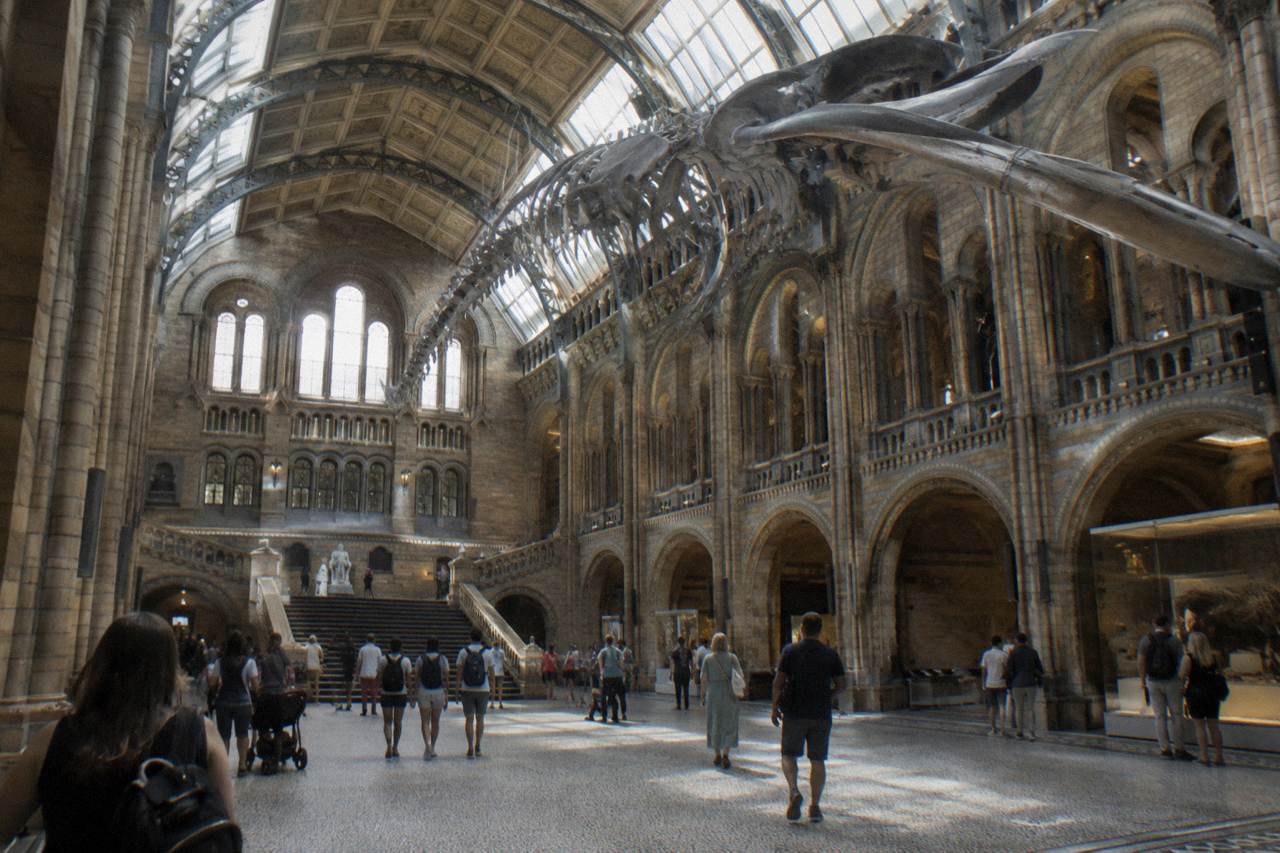
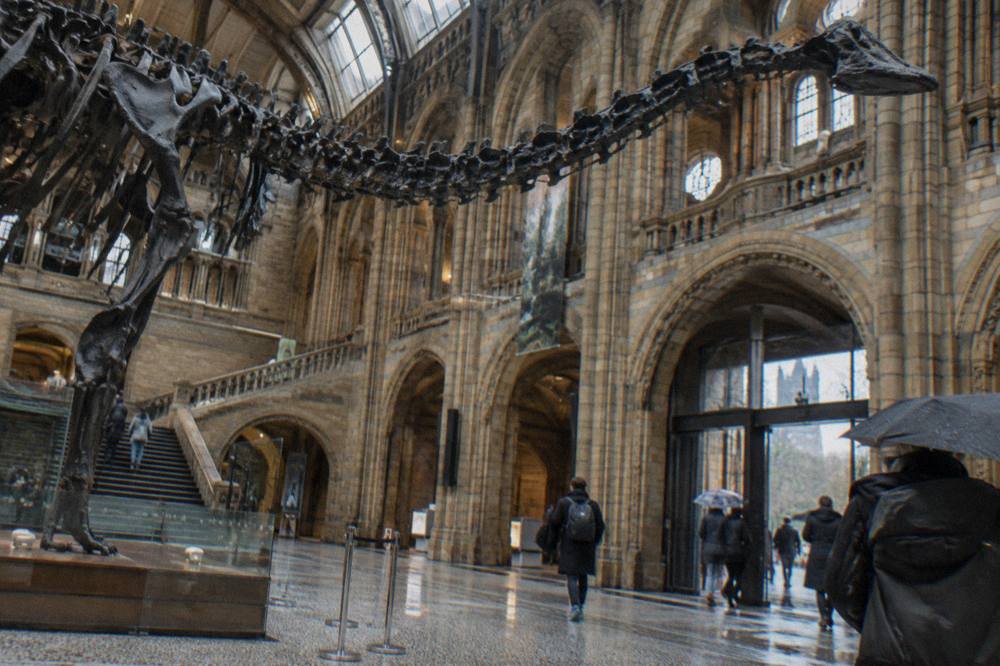
The free part includes the permanent collection in full: the dinosaur gallery, the blue whale model in the main hall, the mammal and bird galleries, the Earth galleries with the escalator through the globe, and the standing scientific displays. Booking the free ticket is part of the arrangement. No gallery inside the permanent collection carries a separate charge, and there is no reduced free route or cut-down circuit.
Every standing gallery is included. The museum's free admission covers the whole of the permanent display space, so a visitor with the free ticket and nothing else can see the dinosaurs, the whales, the minerals vault, the Earth galleries and the ecology floors. There is no tier inside the free offer, no premium wing and no gallery reserved for ticket holders. What varies is time: the collection is large enough that most people plan a partial visit rather than attempt everything in one pass.
The booking step deserves its own sentence because it is where the wording matters. The free ticket is free, and the permanent collection is free. The ticket is how the museum manages numbers, not how it charges. When you plan a visit, the phrase to hold onto is "free, with a free ticket to book", because that is exactly the arrangement the museum's own admission guidance describes.
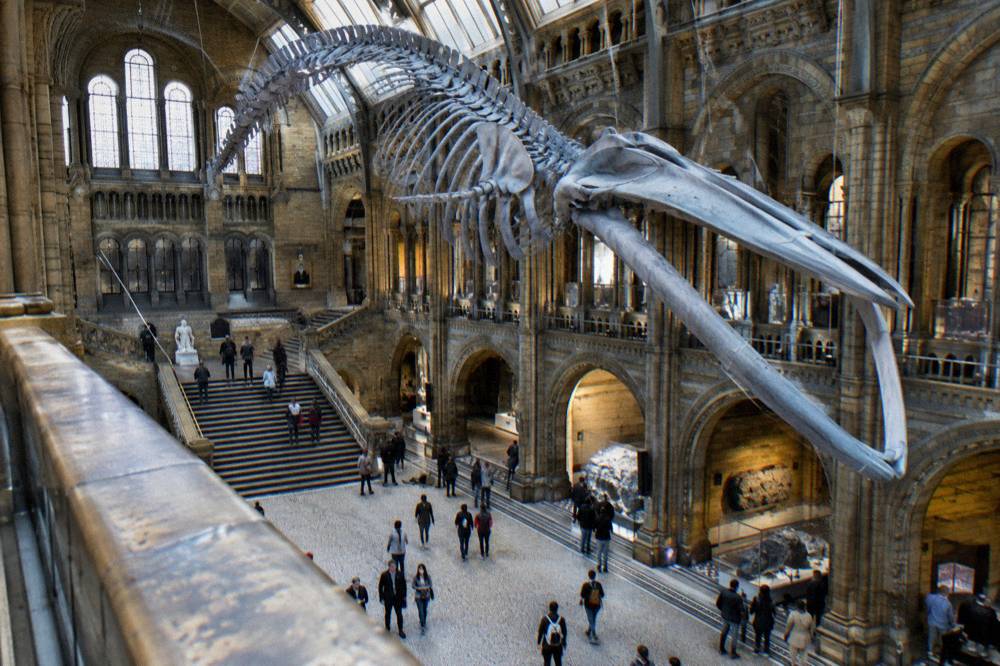
The free visit also includes the building. The Waterhouse facade, the main hall with the blue whale, the terracotta animals carved into the walls, all of that is part of what you walk through on a free ticket. Photographing the architecture costs nothing and is one of the reasons the museum works as a stop even for visitors who only have an hour.
| Part of the visit | Free or paid | What to know |
|---|---|---|
| Permanent collection galleries | Free | Free ticket offered for booking |
| Main hall and architecture | Free | Included with admission |
| Special exhibitions | Paid | Ticketed separately, every case |
| Some activities and workshops | Paid | Varies by programme |
| Cloakroom and some services | Paid | Check current charges on the day |
A museum visit and a walk pair well in one day, and the free walk roster has a Westminster option with real standing. Art and Monarchy History is a free, pay what you want walk guided by Ethan, rated 4.95 out of 5 across 703 GuruWalk reviews, meeting at Apsley Way, Hyde Park Corner for two hours in English. It belongs to the Westminster and royal London category on this site.
After the museums close, South Kensington still has free ground: the parks are open public space, and Kensington Gardens sits in the same quarter, free to enter, with Kensington Palace as the paid anchor inside it at about GBP 19 for an adult ticket.
What Do You Still Have To Pay For?
Special exhibitions are the main paid part: every temporary exhibition at the museum is ticketed, on top of the free permanent collection. Beyond exhibitions, some activities and workshops carry charges, and practical services like the cloakroom are paid. Food and shopping are obviously your own spend. None of these paid parts is required to see the permanent galleries.
The exhibition rule is consistent across the national museums and this one is no exception. When a headline exhibition runs, it is a separate ticket, priced on its own listing, and it is never bundled into general admission. That means the free answer stays true even during a major show: the show is paid, the rest of the museum is not. Visitors who only want the free visit can skip the exhibition entirely without losing anything from the permanent offer.
Activities are the middle ground. The museum runs ticketed events and experiences alongside the free galleries, and these change through the year, so the honest way to treat them is case by case: whatever the museum's own programme page lists with a price is paid, and the standing galleries remain free regardless. The same logic applies to the cloakroom and similar services, where a small charge is the norm at big London museums.
For context on how these splits work across the city, the pattern is identical elsewhere. The Horniman Museum in south London is free for the museum and gardens with its aquarium ticketed. The Royal Observatory Greenwich is a paid site, temporarily closed for restoration on the page read for this article, while Greenwich Park, the National Maritime Museum and the Queen's House are free with booking recommended. Museums keep their free cores and charge at the edges.
One nearby trap to name plainly, because people pair South Kensington with it: Winter Wonderland in Hyde Park is not free entry. It runs 19 November 2026 to 3 January 2027, closed 25 December, entry needs a timed ticket, and the free route is only the "spend GBP 25 and get your entry for free" offer in one online booking. Treat it as a ticketed event, not a free sight, when you plan the same day as the museum.
When Is The Free Option Available?
The free admission applies whenever the museum is open, on every open day and without seasonal pricing. The museum states it is closed 24 to 26 December. Beyond that, opening days and hours are on the museum's own site, and they, not the free policy, are what shape your planning. There is no day of the week when the free part costs money.
The closure statement is the one hard date this article can carry with confidence, because the museum's own page says it: closed 24 to 26 December, the same Christmas closure window the V&A states on its page in the same district. If your trip falls across Christmas, the three museums of South Kensington all shut for that window together, so plan those days around parks and streets rather than galleries. Everything else covered here is indexed on London Free Things To Do.
Everything else about timing is operational, and operational details change. Rather than repeat hours here that could drift, the working method is to check the museum's visiting page for the day you plan to go, and to check TfL for Tube service changes before you travel.
| Season or day | Museum status | Free admission |
|---|---|---|
| Regular open days | Open per the museum's own hours | Yes, permanent collection |
| 24 to 26 December | Closed, stated on the museum page | Not applicable |
| During a special exhibition | Open, exhibition ticketed separately | Yes, permanent collection |
| Public holidays outside Christmas | Varies, check the museum page | Yes when open |
Seasonal pressure is real but it is not a pricing question. The free ticket is the museum's tool for managing busy periods, which is why booking ahead is the recommended route at peak times such as school holidays and the run-up to Christmas. The ticket still costs nothing.
Where Does The Free Visit Start?
The free visit starts at the museum's entrance in South Kensington, in the Royal Borough of Kensington and Chelsea, on Cromwell Road, with the Natural History Museum sitting between the Science Museum and the V&A on the same museum quarter streets. The nearest Underground station is South Kensington. From the station, the museum quarter is reached on public streets that cost nothing to walk.
South Kensington is the practical answer. The station serves the district, and the museum quarter around Cromwell Road and Exhibition Road holds three free national museums within the same few streets: the Natural History Museum, the Science Museum and the Victoria and Albert Museum. A single free ticket plan can reasonably cover one museum properly rather than all three thinly, and the choice between them is a matter of interest, not price, because all three hold free permanent collections.
The Science Museum deserves one careful sentence because its wording differs slightly: it is free, with a free ticket to book, and whether that ticket is required or merely recommended is not settled by the pages gathered for this article, so treat booking as the safe default there too. The V&A is free for its permanent collection, with special exhibitions paid, exactly the pattern described above.
Planning a South Kensington day is straightforward: book the free ticket for the Natural History Museum, pick a morning or afternoon block, and leave the rest of the day for the neighbourhood. Kensington Gardens is the free park anchor of the quarter, and Hyde Park adjoins it. For a fuller walk-through of all three museums and how to sequence them, the South Kensington museums guide covers the district in depth, and the broader free things to do in London list places the quarter in a whole-city plan.
Which Free Walking Tours Cover This?
No walk in this site's roster of 73 free London walks is a Natural History Museum walk: the roster's museum walks cover the British Museum in Bloomsbury, not South Kensington. The nearest options by category are the Westminster and royal London walks, which explore the royal parks and ceremonial streets of the same western side of central London. All 73 walks are free, pay what you want.
That is the honest answer rather than a stretch. The free walk roster on GuruWalk and freetour.com, the 73 walks this site catalogues, includes two British Museum walks meeting inside Bloomsbury, and nothing meeting in South Kensington. So a visitor combining the museum with a free walk pairs two separate outings: the museum in South Kensington on its own free ticket, and a walk elsewhere in the city the same day or the next.
The Westminster category is the natural pairing for a museum day, because it starts from the royal parks side of town. Essentials, Under Two Hours is the biggest walk in the roster by review count, guided by Theodore, rated 4.75 out of 5 across 5,346 GuruWalk reviews, meeting at Apsley Way near Wellington Arch for two hours in English. Apsley Way sits at Hyde Park Corner, the same park that adjoins Kensington Gardens, which makes this walk the most direct fit with a South Kensington itinerary of anything in the roster.
Other Westminster options in the same category include the Palace to Big Ben Walk guided by Jill, rated 4.92 out of 5 across 679 GuruWalk reviews, meeting at the Ferdinand Foch Statue by Victoria station for two hours, and the Changing of the Guard Walk guided by Richard, rated 4.59 out of 5 across 625 GuruWalk reviews, meeting at the George IV Statue on Trafalgar Square for 1 hour 45 minutes. The guard ceremony schedule is set by the operator and can change, so check the Household Division schedule rather than planning against a fixed time.
Art and Monarchy History, mentioned earlier, is the other Westminster walk that suits a museum-and-parks day, meeting at Apsley Way, Hyde Park Corner, guided by Ethan. Every walk named here is a real listing on GuruWalk run by an independent guide; this site catalogues them and is not affiliated with GuruWalk or freetour.com.
Mistakes That Trip People Up At The Natural History Museum
The mistakes are predictable and avoidable: assuming special exhibitions are included in free entry, assuming the free ticket means paid admission, listing Winter Wonderland as a free add-on, treating the Christmas closure as a single day, and turning up without a booked ticket at peak times. Each of these has a specific fix, and none of them costs anything to get right except a few minutes of planning.
The exhibition mistake is the common one. Free admission covers the permanent collection only, and every special exhibition is a separate paid ticket. Visitors who arrive expecting a headline show to be included discover the split at the door, and the fix is to decide before you go whether the exhibition matters to you or whether the permanent galleries alone fill the visit. For most first-time visitors they do.
The ticket mistake runs the other way. Some visitors see "book a ticket" and assume money. The ticket is free, and booking it is the recommended way to visit, particularly in school holidays and the December run-up. The fix is to book the free ticket the moment your date is fixed, then treat the day as free apart from exhibitions and services.
The pairing mistakes are seasonal. Winter Wonderland is not free entry, it needs a timed ticket and only becomes free through the GBP 25 single-booking spend offer, so it should never sit on a free itinerary as a plain entry. And the 24 to 26 December closure is three days, not one: planning a Christmas Eve or Boxing Day museum visit fails across the whole South Kensington quarter. The fix for both is to rebuild that part of the itinerary around the free parks, the Christmas lights, which this year run on Oxford Street from 9 November 2026 and Regent Street from 5 November 2026, and the free riverside ground such as the Southbank Centre Winter Market, free entry from 2 November 2026 to 3 January 2027 and closed 25 and 31 December and 1 January.
Common Questions On This Topic
Is The Natural History Museum Free?
Yes. Entry to the permanent collection is free, and the museum offers a free ticket to book ahead. Special exhibitions and some activities are the paid parts, and the museum states it is closed 24 to 26 December. The same free-permanent, paid-exhibition pattern applies across the London national museums.
Do You Need To Book A Ticket For The Natural History Museum?
Booking the free ticket is the recommended route, and it costs nothing. It is the museum's way of managing numbers rather than a charge. At busy times such as school holidays and December, booking ahead is the practical default.
Are The Special Exhibitions Included In Free Entry?
No. Every special exhibition is ticketed separately, on top of the free permanent collection. This is consistent across the national museums, including the V&A next door and the Tate galleries. Skipping the exhibition loses you nothing from the permanent galleries.
When Is The Natural History Museum Closed?
The museum states it is closed 24 to 26 December. Other opening days and hours are on the museum's own visiting page and should be checked for the day you plan to attend, since hours can change through the year.
Is The Science Museum Next Door Free Too?
Yes, the Science Museum is free, with a free ticket to book. Whether that ticket is required or recommended is not settled on the pages gathered here, so booking is the safe default. The V&A, the third museum in the quarter, is free for its permanent collection.
Are There Free Walking Tours At The Natural History Museum?
No walk in this site's roster of 73 free London walks meets in South Kensington. The museum walks in the roster cover the British Museum in Bloomsbury, and the Westminster walks, such as Essentials, Under Two Hours meeting at Apsley Way near Wellington Arch, are the closest fit for a museum-and-parks day.