Greenwich For Free: Parks, Museums And The Sights That Charge
Greenwich splits cleanly into a free layer and a paid layer. Greenwich Park, the National Maritime Museum, the Queen's House and the foot tunnel cost nothing; the Royal Observatory, the Cutty Sark and the Meridian Line are ticketed, and the Observatory is temporarily closed for restoration.
In Short
Greenwich Park, the National Maritime Museum, the Queen's House and the Greenwich Foot Tunnel are free to visit, with booking recommended at the two museums. The Royal Observatory is a paid attraction and is temporarily closed for a major restoration. The Cutty Sark is ticketed. A realistic free day covers the park, both museums, the riverside and the foot tunnel, saving the paid sites for another visit.
Part of the London Free Things To Do guides line, this page takes one neighbourhood apart: what genuinely costs nothing in Greenwich, what charges, and how the pieces fit together in a day.
Is Greenwich Really Free To Visit?
Greenwich is free to visit in its largest parts. Greenwich Park is free, the National Maritime Museum is free with booking recommended, the Queen's House is free with booking recommended, and the Greenwich Foot Tunnel is free to walk through at any time. The paid exceptions are specific and avoidable: the Royal Observatory, currently closed for restoration, and the Cutty Sark.
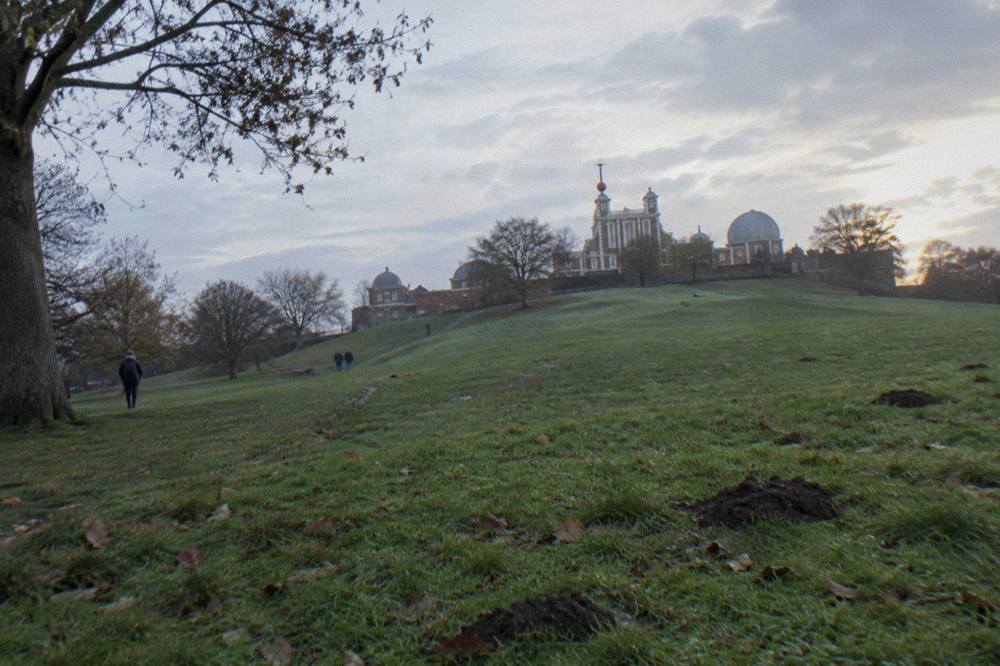
That free layer is unusually generous for a district whose name sits on the Prime Meridian. The Royal Parks authority runs Greenwich Park as open public space, so the hill, the tree lines and the views cost nothing and need no ticket. The two big museums beside it sit under Royal Museums Greenwich, and both the National Maritime Museum and the Queen's House are free, with booking recommended, which in practice means a short online reservation rather than a payment.
The foot tunnel under the Thames is the piece visitors most often miss. It is a public pedestrian route, free to use, connecting Greenwich on the south bank to the Isle of Dogs on the north. Walking through it and coming back is a genuinely free experience of the river from underneath, and it drops you within sight of the Canary Wharf towers when you emerge on the far side.
What the free layer does not include is the cluster of heritage attractions that carry the Greenwich name in most guidebooks. The Observatory, the Cutty Sark and the Meridian Line itself belong to the paid side, and the Observatory is not even open at the moment. Treat Greenwich as a free destination with two paid outliers and the day plans itself.
The park's own page on the Royal Parks site is the place to check for events or temporary closures before a long trip out, since royal parks occasionally close sections for works or ticketed events without changing the general free status of the space.
What Can You See In Greenwich Without Spending Anything?
The free list around Greenwich runs to five solid items: Greenwich Park, the National Maritime Museum, the Queen's House, the Greenwich Foot Tunnel, and the riverside walk along the Thames path. All five are free with no ticket price, and the two museums ask for a free booking. The Old Royal Naval College grounds are open public space to walk through.
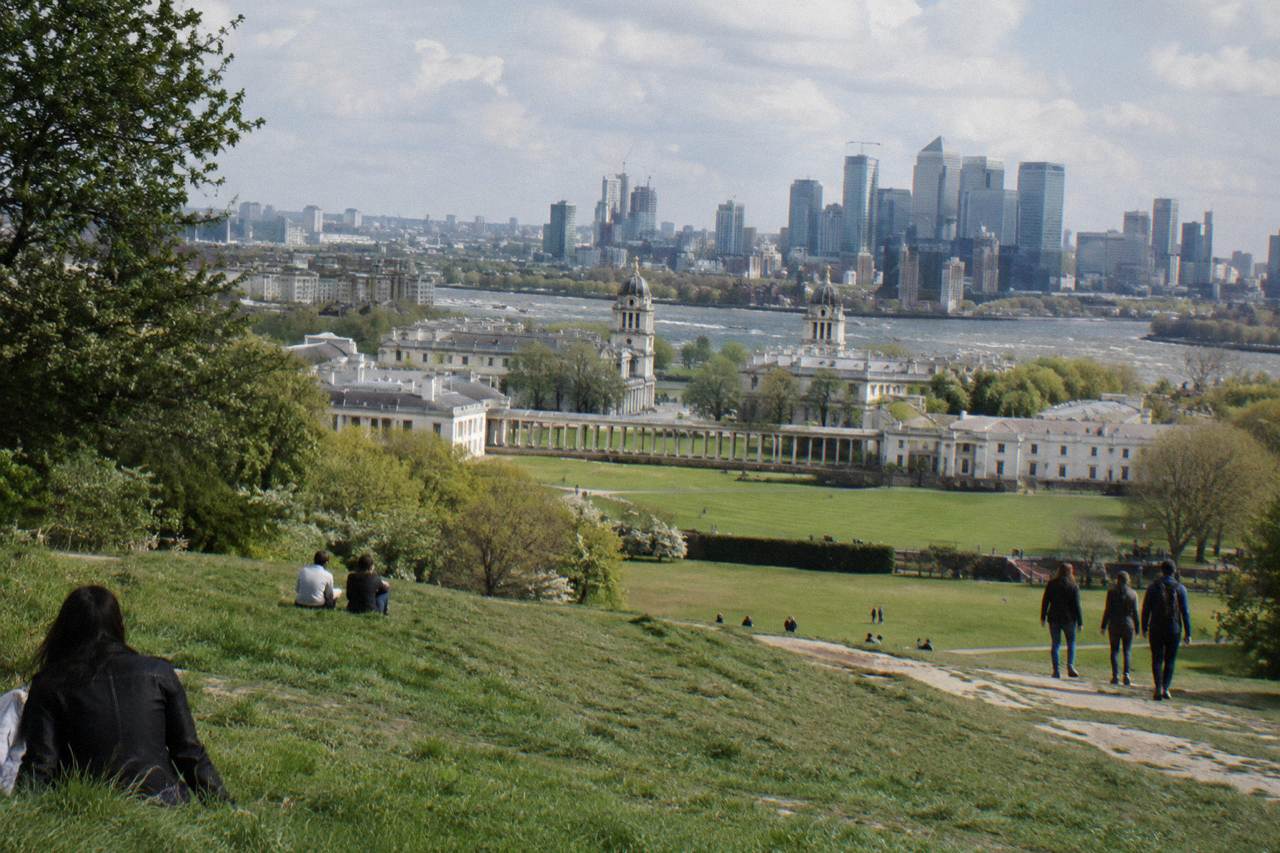
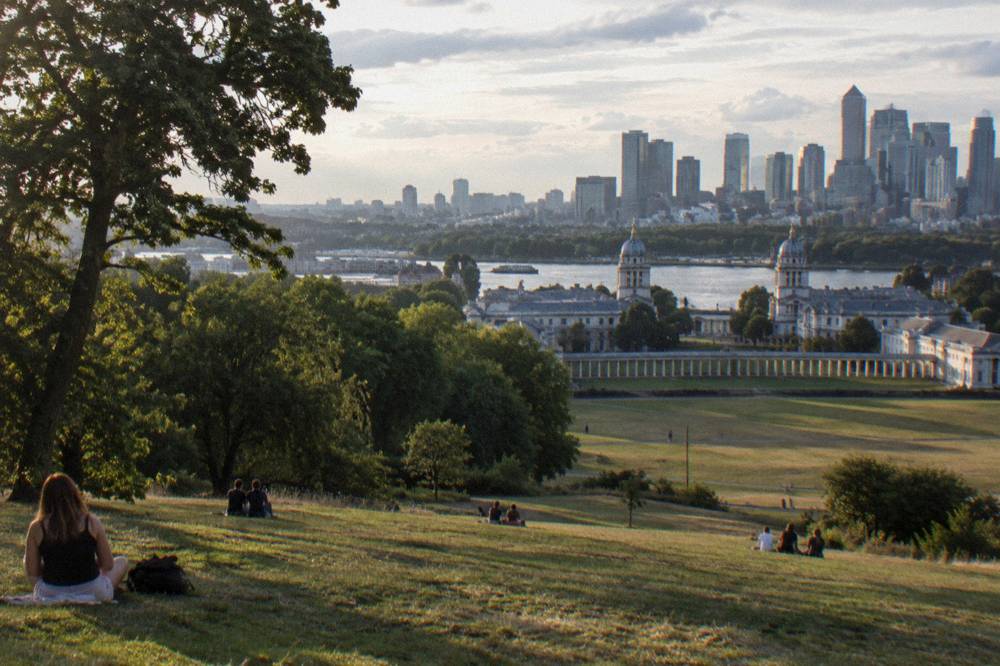
Start on the hill. Greenwich Park gives the view that most people picture when they think of the area: the classical colonnades of the Queen's House below, the Thames bending around the Isle of Dogs, and the towers of the financial district behind. None of that is behind a gate. The climb is the whole point, and it costs nothing.
Down at the bottom of the hill, the National Maritime Museum covers Britain's naval history across free galleries, and the Queen's House, the earlier of the two buildings, holds its art collection in a space that is itself the exhibit. Royal Museums Greenwich recommends booking for both, which is a free reservation made in advance. The Queen's House in particular has a calendar that fills around weekends, so the booking is worth making even though the price is zero.
| Free sight | Condition | Type of space |
|---|---|---|
| Greenwich Park | None, open public space | Royal park, hill and views |
| National Maritime Museum | Free, booking recommended | Museum, permanent galleries |
| Queen's House | Free, booking recommended | Museum and art collection |
| Greenwich Foot Tunnel | None, public route at any time | Pedestrian tunnel under the Thames |
| Thames path, Greenwich side | None, unfenced riverside | Public walkway |
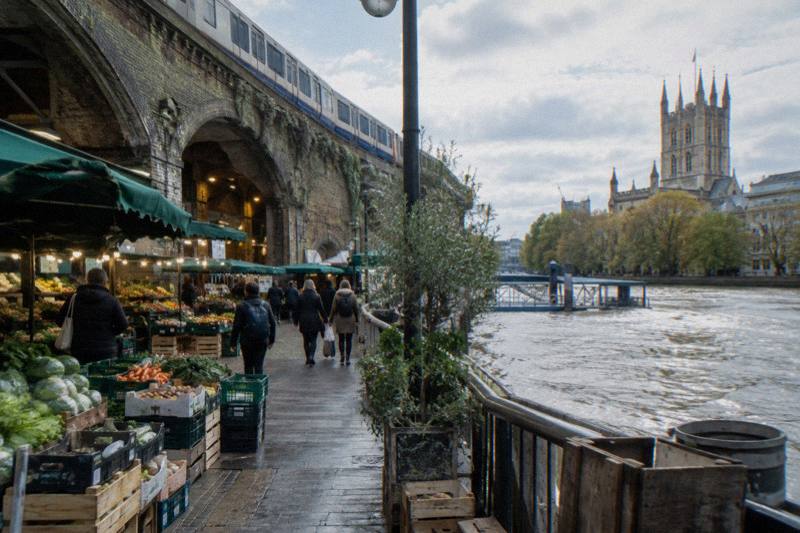
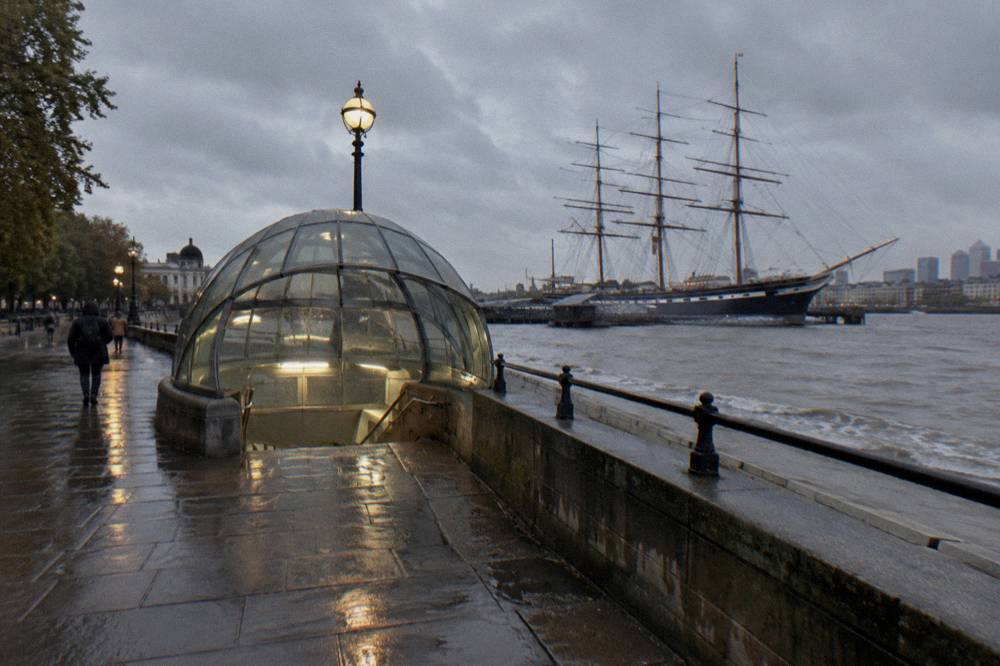
The Thames path on the Greenwich side is a free walk in the plain sense of the word: an unfenced riverside route past the old naval college buildings, the tea clipper in its dry dock and the pier. If you want a guided version of riverside London rather than walking it alone, the riverside-and-pub-history walk by Justin, the South Bank Social History walk, covers the south bank of the Thames from London Bridge, meeting at Borough High Street, and runs free, pay what you want, reserved on GuruWalk.
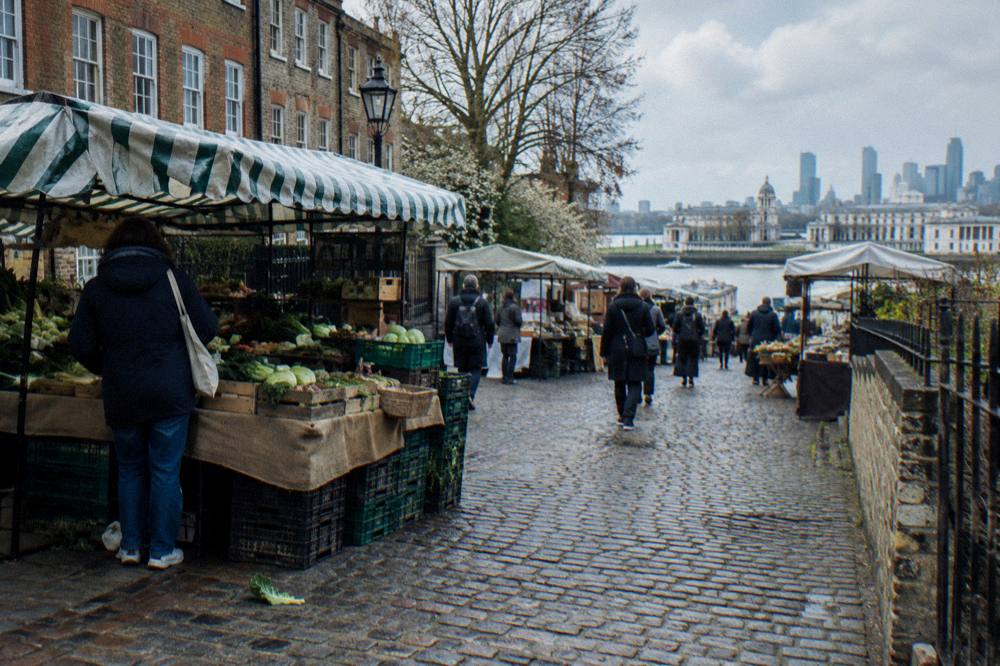
Beyond the headline five, the neighbourhood's ordinary fabric is free to move through: the market streets, the churchyard spaces and the tunnel approach on both banks. Greenwich rewards wandering in a way that ticketed attractions cannot, because the free layer is the neighbourhood itself rather than a set of enclosures inside it.
For a wider map of the capital's no-cost layer, the free things to do in London guide covers the national museums and open spaces that make a Greenwich day part of a bigger free itinerary.
What Do You Have To Pay For In Greenwich?
Three things charge around Greenwich: the Royal Observatory, which is paid and temporarily closed for a major restoration project; the Cutty Sark, which is ticketed; and special exhibitions at the otherwise free museums. Kensington Palace-style confusion does not arise here, because the paid sites are separate buildings, not paid wings of free ones.
The Observatory situation is the one to get right. It is a paid attraction at the best of times, and at present it is not operating at all: the Royal Museums Greenwich page states the site is temporarily closed for a major restoration project. The Prime Meridian Line, the piece visitors specifically come to straddle, is part of the paid Observatory site, so the famous photo opportunity is off the table for now. There is a meridian marker outside the paid gate, but the line itself inside is what most people mean, and it charges when open.
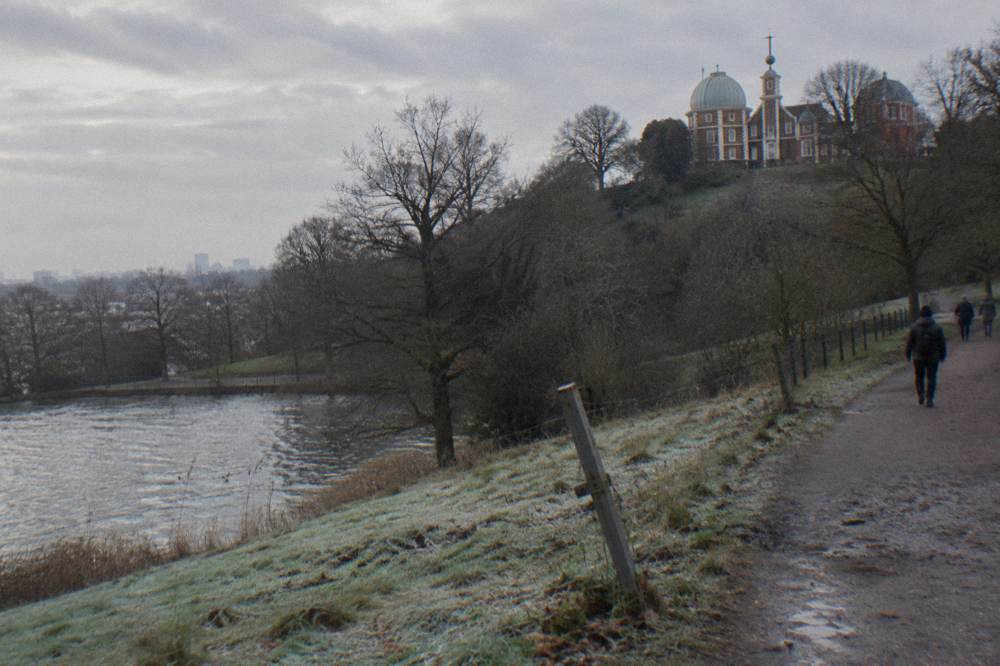
The Cutty Sark is the second paid site. The tea clipper sits in its dry dock beside the river, visible and photogenic from outside for nothing, but going aboard is a ticketed visit. The price is on the operator's own page and shifts with ticket type, so check there rather than relying on a figure printed here. Greenwich Park, by contrast, makes no charge for anything within it, which keeps the day's spending entirely optional.
The third paid layer is quieter: special exhibitions inside the free museums. Like the national museums across London, the National Maritime Museum and the Queen's House charge for temporary exhibitions while the permanent galleries stay free. If a visit lands during a show you want, that ticket is the only compulsory spending in the neighbourhood.
| Paid or closed sight | Status | What stays free around it |
|---|---|---|
| Royal Observatory | Paid, and temporarily closed for restoration | The park hill and the view from outside the gate |
| Prime Meridian Line | Part of the paid Observatory site | A meridian marker outside the paid gate |
| Cutty Sark | Ticketed to board, visible free from the riverside | The Thames path around the dry dock |
| Museum special exhibitions | Ticketed | Permanent galleries at both museums |

When Is The Best Time To Visit Greenwich?
Weekday mornings give the calmest free Greenwich visit: the park, the riverside and the foot tunnel have no schedules of their own, and the two museums open into their free galleries daily with booking recommended. The seasonal note that matters is closure: the free museums close 24 to 26 December, and the National Gallery, on any extended museum itinerary, also closes 1 January.
Greenwich has no single closing day to plan around, because its biggest free components are outdoor and always open. The park is a royal park with daytime access, the Thames path is a public route, and the foot tunnel operates as public infrastructure. What has hours are the museums, and their pages state daily opening for the free galleries, so a morning arrival lets you do the hill first while the light is low and the museums after. More of these guides are collected on London Free Things To Do.
| Time or season | What it means for a free Greenwich visit |
|---|---|
| Weekday mornings | Park and hill first, museums after, both galleries on free bookings |
| Weekends | Queen's House bookings fill earlier; reserve the free slot in advance |
| 24 to 26 December | Free museums closed; plan the outdoor layer only |
| 1 January | National Gallery also closed on any extended museum itinerary |
| Now to late winter | Observatory closed for restoration regardless of date |
The winter season adds one planning wrinkle worth knowing. London Museum opens its new West Smithfield building on 28 November 2026, which does not change Greenwich itself but does change how a multi-stop museum day can be sequenced if you are combining neighbourhoods. And the December closures are real: the major free museums state closed 24 to 26 December, so a Christmas-week itinerary needs the outdoor Greenwich layer only, which is exactly what the neighbourhood does well.
How Do You Combine Greenwich With Other Free Parts Of London?
Greenwich pairs naturally with the Isle of Dogs and the north bank via the free foot tunnel, and with the City of London via the Thames path heading west. A free day can run Greenwich Park and both museums in the morning, the tunnel and riverside after lunch, and a City of London walk in the late afternoon, all without a single ticket.
The foot tunnel is the connector that makes combining easy. Because it is free public infrastructure, crossing to the north bank and back costs nothing and adds a completely different view of the skyline. Coming back on the Greenwich side, the Thames path westward leads toward the City, which is where the site's City of London free things guide picks up the thread: the Monument, the church squares and the riverside reaches that sit on the same river you have been walking all day.
For walkers who want the City guided rather than self-directed, two free, pay what you want options anchor that end of the day. Justin's Empire History walk, meeting at Fish Street Hill by the Monument, covers the City's imperial trading past and is rated 4.94 out of 5 across 2,439 GuruWalk reviews. London with a Local's Tower to St Paul's walk, meeting at Tower Hill Underground Station, runs 2 hours 30 minutes and is rated 4.96 out of 5 across 962 GuruWalk reviews. Both are reservations on GuruWalk, both free to book, and both sit on the same stretch of river as Greenwich's paid anchors.
The pairing logic is simple: Greenwich is the outdoor half of a free London day, and the City is the architectural half. Doing both in one day is feasible because the paid distractions in Greenwich are closed or skippable, so nothing pulls you off the route with a ticket queue.
If your Greenwich day runs long into the evening instead, the free things to do in London at night guide has the after-dark layer, from lit streets to evening walks, that keeps the day going at no cost.
Which Free Walking Tours Meet Near Greenwich?
No featured free walking tour meets in Greenwich itself. The nearest featured walks meet on the City of London and Thames side of the river: the South Bank Social History walk at Borough High Street, London Bridge, plus the Empire History and Tower to St Paul's walks at Monument and Tower Hill. Each is free, pay what you want, reserved on GuruWalk.
Greenwich is a walk-it-yourself neighbourhood in this site's roster. The featured guided walks cluster on the opposite bank, all within the City of London and the Thames ground, and all reachable from Greenwich by river or rail. That is not a defect of Greenwich; it reflects where London's free walking tours concentrate, around the historic core rather than the maritime quarter.
The practical pattern is to walk Greenwich alone in the morning and join a guided walk in the afternoon or on a second day. Justin's South Bank Social History walk, rated 4.96 out of 5 across 479 GuruWalk reviews, meets at Borough High Street by London Bridge and takes the riverside social history as its subject, which rhymes neatly with a morning spent at the Maritime Museum. Justin also leads the Empire History walk from the Monument, rated 4.94 out of 5 across 2,439 GuruWalk reviews, a direct thematic companion to a Greenwich day built around trade, ships and empire.
| Walk | Meets at | Duration | Rating on its platform |
|---|---|---|---|
| South Bank Social History, GuruWalk | Borough High Street, London Bridge | 2 hours | 4.96 out of 5 across 479 GuruWalk reviews |
| Empire History, Adult Themes, GuruWalk | Fish Street Hill, by the Monument | 2 hours | 4.94 out of 5 across 2,439 GuruWalk reviews |
| Tower to St Paul's Walk, GuruWalk | Tower Hill Underground Station | 2 hours 30 minutes | 4.96 out of 5 across 962 GuruWalk reviews |
For the wider free-walk landscape across the capital, including shorter essentials walks and themed routes, the free walking tours in London guide maps which walks meet where. The essential Westminster trio below gives a sense of the format: every walk is free, pay what you want, and reserved on its platform in advance.
Mistakes That Trip People Up In Greenwich
The four recurring mistakes are treating the Observatory as free, expecting to straddle the Meridian Line, arriving at the museums on 24 to 26 December, and assuming the Cutty Sark deck is part of the riverside walk. Each mistake comes from merging the free and paid layers, and each is avoided by knowing which side of the split a sight sits on.
The Observatory mistake is the most common. People read that Greenwich's museums are free, reasonably assume the whole UNESCO-listed site follows, and arrive at the Observatory gate expecting to walk in. The Observatory is paid, and today it is closed for restoration besides, so the mistake currently costs a wasted uphill walk rather than a wasted ticket. The Meridian Line is part of that same paid site, which is the second mistake in the same climb.
The December mistake is quieter. The free museums state 24 to 26 December closures, and visitors booking Christmas-week itineraries sometimes assume attractions relax their schedules for the season. They do the opposite. A Christmas-week Greenwich day should be built on the park, the riverside and the foot tunnel, with museum interiors moved to another date.
The Cutty Sark mistake is half a mistake: the ship is fully visible from outside for nothing, and plenty of visitors are satisfied with that. But going below deck is a paid visit, and families sometimes discover this at the gangway. Knowing the split in advance lets you decide deliberately whether the interior matters to you.
One last trap is seasonal and general rather than Greenwich-specific: Winter Wonderland in Hyde Park is not free entry at any point in the season, whatever a summary list says. Entry needs a timed ticket, free only with a GBP 25 spend in one online booking, so it never belongs on a free list alongside Greenwich Park. The fuller London winter free things guide covers what genuinely is free in the cold months.
Common Questions About Free Things To Do In Greenwich
Is Greenwich Free To Visit?
Largely, yes. Greenwich Park, the National Maritime Museum, the Queen's House and the Greenwich Foot Tunnel are free, with booking recommended at the two museums. The Royal Observatory and the Cutty Sark are paid, and the Observatory is temporarily closed for a major restoration project, so the free layer is currently the whole available layer on the hill itself.
Is The Royal Observatory In Greenwich Free?
No. The Royal Observatory is a paid attraction, and its own operator page states it is temporarily closed for a major restoration project. The Prime Meridian Line is part of the paid Observatory site, so it is unavailable while the closure lasts. Greenwich Park, the National Maritime Museum and the Queen's House remain the free sights in the immediate area.
Is The Cutty Sark Free To See?
The Cutty Sark is free to see from outside and paid to board. The clipper sits in its dry dock beside the Thames path, fully visible from the surrounding riverside at no cost. Going aboard is a ticketed visit, with prices on the operator's own page. Greenwich Park and the two museums nearby are the free interiors of the day.
Do You Need To Book The Free Greenwich Museums?
Booking is recommended for the National Maritime Museum and the Queen's House, and the reservation itself is free. Both sit under Royal Museums Greenwich, which also runs the paid Observatory and Cutty Sark, so make sure the booking you make is for the free galleries rather than a ticketed site or a special exhibition.
Is The Greenwich Foot Tunnel Free?
Yes, the Greenwich Foot Tunnel is free to walk through at any time. It is public pedestrian infrastructure under the Thames, connecting Greenwich with the Isle of Dogs, with no gate, ticket or booking. Crossing to the north bank and back adds a view of the Canary Wharf towers at no cost.
Are The Greenwich Museums Open At Christmas?
The free museums close on 24 to 26 December, as stated on the museum pages themselves, so Christmas-week visits should be planned around the outdoor layer: Greenwich Park, the Thames path and the foot tunnel. Book the museum galleries for another date, and check the Royal Parks page for any park notices before travelling out on a December day.