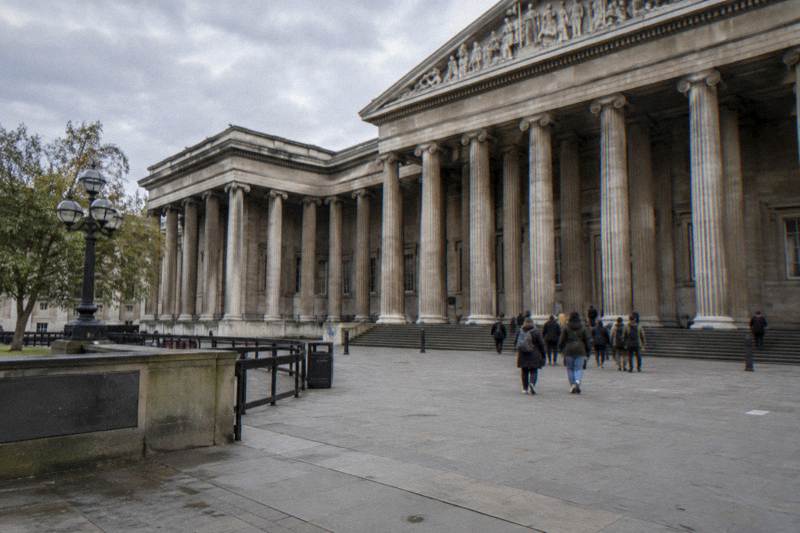
Are London Museums Free?
Most big London museums are free for their permanent collections, but exhibitions, tickets and closures change the picture. Here is exactly what is free and what is not.
In Short
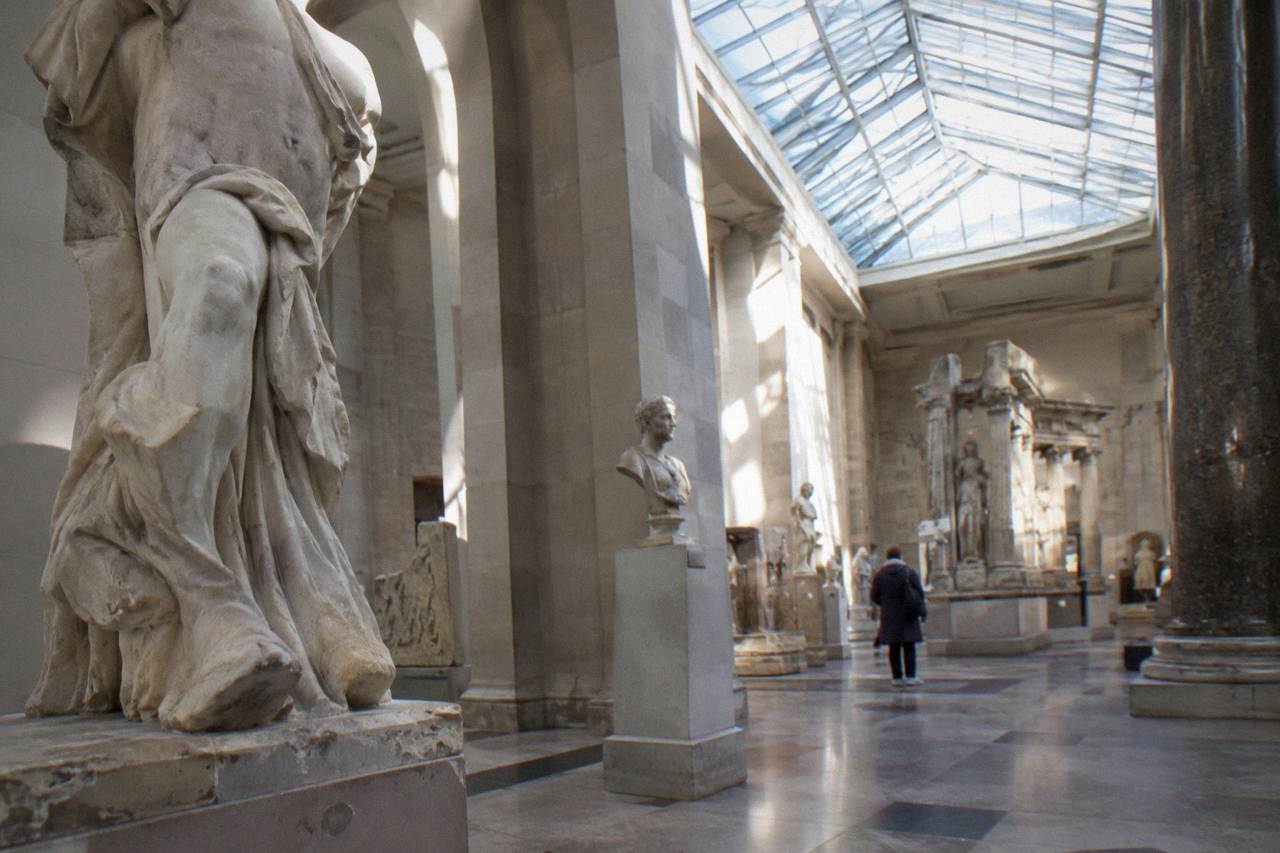
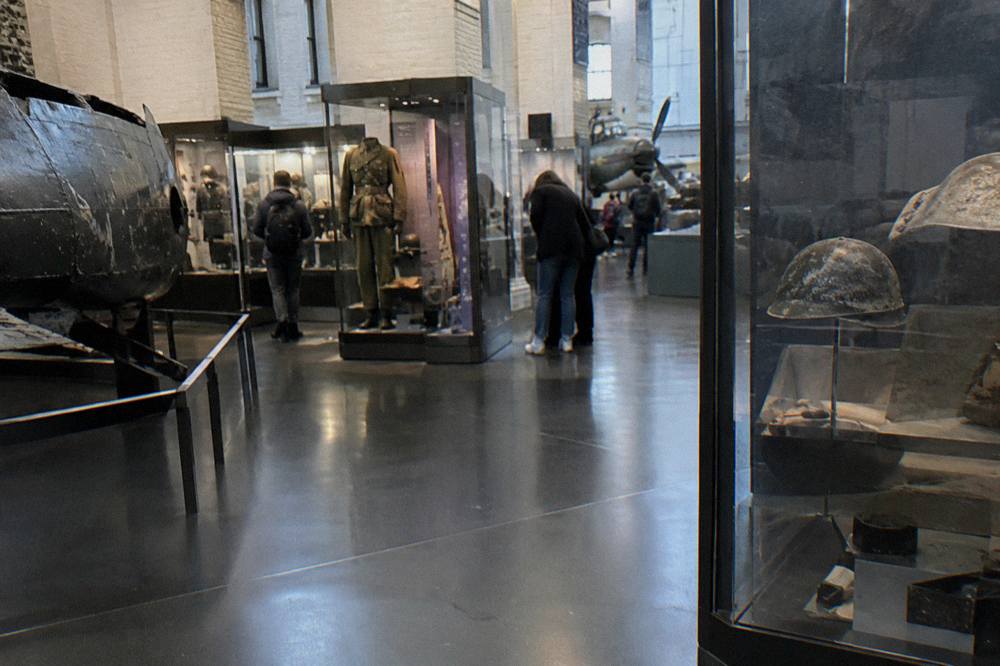
Yes, most of the major ones. The British Museum, National Gallery, National Portrait Gallery, Tate Modern, Tate Britain, V&A, Natural History Museum, Science Museum and Imperial War Museum are free for their permanent collections. The catch is threefold: special exhibitions are paid at every one of them, several museums ask you to book a free ticket, and the free museums close 24 to 26 December, with the National Gallery also closed 1 January.
This question sits inside the free museums in London guide, which lists the full set of museums, closing days and ticket conditions in one place.
Are London Museums Free?
Yes, most of the big names are free: the British Museum, National Gallery, Tate Modern, Tate Britain, Natural History Museum, Science Museum, Victoria and Albert Museum, National Portrait Gallery and Imperial War Museum charge nothing for their permanent collections. You may still need a free booked ticket, and special exhibitions cost extra, while smaller non-national museums set their own rules.
The free entry policy at the national museums is the single biggest money-saver in the city. A family can spend a full day across the South Kensington museums, or between the British Museum and the National Gallery, without paying a pound for admission. The National Gallery states free entry on its own visit pages, as do the Tate galleries, the V&A and the Natural History Museum. These are official statements from the operators, not promotions, and they have been the standing arrangement for the national collections for two decades.
The word "permanent" is doing the work in that sentence. What is free is the collection the museum owns and displays year after year: the Rosetta Stone and the Parthenon sculptures at the British Museum, the national painting collection at the National Gallery, the dinosaur galleries at the Natural History Museum. What is never free is the temporary exhibition programme. Every one of the national museums sells timed tickets to its headline shows, and those shows are usually the thing being advertised on the front of the building when you arrive. The current paid exhibitions in London include the Frida Kahlo show at Tate Modern, running to 3 January 2027, and a Korea exhibition at the British Museum running to 31 January 2027.
A second condition sits between you and the free part: the ticket desk. The British Museum, National Gallery, National Portrait Gallery, Natural History Museum and Science Museum offer or recommend a free ticket booked in advance. At the Science Museum the free ticket may be mandatory, so the honest wording is "free, with a free ticket to book" until an official page settles the question. Booking a free ticket costs nothing and usually means walking past the longest part of the entry process, so treat the ticket as part of the plan rather than an optional extra.
If you would rather have someone frame the city before you frame the museums, three free, pay what you want walks make a good first day: a short essentials circuit, an entertainment-led history walk and a deeper art-and-monarchy route.
There is one more distinction worth making before the detail. The national museums are free because they are national: funded to keep their collections open to all. Museums outside that system, including several excellent ones, decide their own pricing, and some of London's best-known interiors are churches or royal sites rather than museums at all, with completely different free and paid parts. The rest of this page works through each of those groups in turn.
What Does The Free Part Include?
The free part is entry to the permanent collection: the galleries, the displays and the building itself, during normal opening hours. It includes the main collections at every national museum, the free galleries at London Museum Docklands, the Horniman Museum and its gardens, and the Wallace Collection and Sir John Soane's Museum in their entirety. It does not include special exhibitions, guided activities, audio guides, maps or anything sold in the shops and cafes.
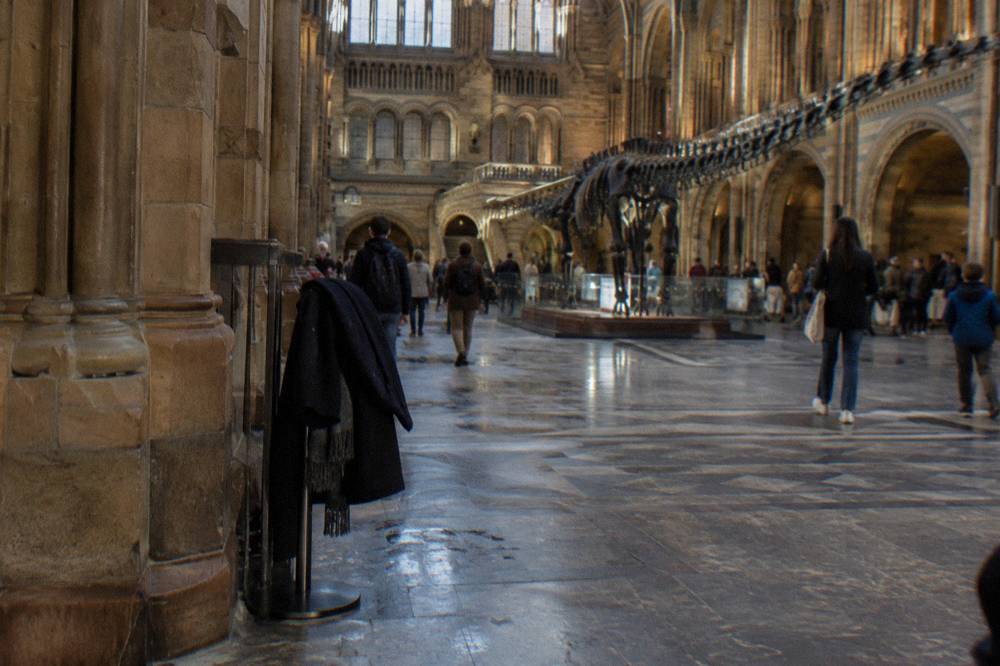
At the big institutions the free portion is enormous. The British Museum's free galleries run across thousands of years of material; the National Gallery's free rooms hold the permanent painting collection; the V&A's free displays fill the bulk of the building. The Natural History Museum keeps its permanent galleries, including the whale and the dinosaur displays, in the free entry category. Nobody stands at a door collecting money for these rooms, and nobody will ask you to pay once you are inside them.
| Museum | Free part | Condition |
|---|---|---|
| British Museum | Permanent collection | Free ticket offered for entry |
| National Gallery | Permanent collection | Free ticket recommended; closed 1 Jan |
| Tate Modern and Tate Britain | Permanent collection | Special exhibitions paid |
| V&A | Permanent collection | Special exhibitions paid |
| Natural History Museum | Permanent collection | Free ticket; closed 24 to 26 Dec |
| Science Museum | Permanent collection | Free, with a free ticket to book |
| London Museum Docklands | Galleries | Open daily 10am to 5pm |
| Horniman Museum | Museum and gardens | Aquarium ticketed |
Two smaller free museums deserve a mention because they are fully free rather than free-with-conditions. London Museum Docklands is open Monday to Sunday 10am to 5pm with free galleries, and a new London Museum at West Smithfield opens on 28 November 2026, which adds a second site to the same free offer. The Horniman Museum in south London is free for the museum and its gardens, and its aquarium is the ticketed exception, sold separately even to members. The Wallace Collection and Sir John Soane's Museum, both free house museums in central London, round out the fully free tier.
The British Museum deserves its own paragraph because it is the one visitors most often pair with a first trip. Entry to the permanent collection is free, a free ticket is offered for booking, and the museum is the meeting point for a free walking tour as well. British Museum Essentials, run by the guide Dayan on GuruWalk, is a free, pay what you want tour rated 4.99 out of 5 across 2,064 GuruWalk reviews, meeting in the Great Court and running about 1 hour 45 minutes in English or Spanish. The British Museum Mysteries walk, a separate GuruWalk listing rated 4.91 out of 5 across 273 reviews, meets at the Montague Place back entrance and runs 2 hours 15 minutes in English or Spanish.
Both walks are reserved on GuruWalk, both are free with the price set by you at the end, and neither replaces the museum's own free entry: they are a way into the building's stories rather than a way past a ticket desk that does not exist for the permanent collection.
What Do You Still Have To Pay For?
Special exhibitions are the main charge, at every national museum without exception, and they are where most museum spending happens. Beyond the exhibitions you pay for audio guides, some family activity trails, anything in the shops, cafes and restaurants, and at the museums outside the national system. The Horniman aquarium is ticketed, Westminster Cathedral charges GBP 10 for the tower lift, and St Paul's and Westminster Abbey are paid for sightseeing, free only to attend worship.
The exhibition economy is worth understanding before you plan a day. A free museum with a headline show will advertise the show heavily, and the free permanent galleries sit beside a box office selling timed tickets at prices set per exhibition. The Tate Modern Frida Kahlo exhibition runs to 3 January 2027 and the Julio Le Parc show to 3 May 2027, both paid. The British Museum's Korea exhibition runs to 31 January 2027, also paid. None of this is hidden: the point is simply that "free museum" and "free everything inside the museum" are different claims, and the difference is the exhibition programme.
Outside the national museums the picture varies by operator, and the rules must never be blurred. The Horniman's aquarium is a paid add-on to a free museum. St Paul's Cathedral is free only to attend daily worship and charges GBP 27 for adult sightseeing, per the official price; Westminster Abbey is free to attend Evensong and paid to sightsee. Sky Garden, not a museum but often bundled with museum-style planning, is free only with a booked timed ticket, with restaurants and bars paid. Winter Wonderland in Hyde Park is not free entry at all: entry needs a timed ticket, and the official site advertises free entry only if you spend GBP 25 in one online booking.
A short list of the recurring paid parts, so nothing surprises you at a desk:
- Special exhibitions, at every national museum.
- Audio guides and some printed trails.
- Shops, cafes and restaurants, always.
- The Horniman aquarium.
- Sightseeing entry at St Paul's and Westminster Abbey, where the free route is worship attendance.
- Tower lift entry at Westminster Cathedral, GBP 10 adult, beside the free cathedral.
One honesty trap deserves a name. The safe set is the national museums, London Museum Docklands, the Horniman's museum and gardens, the Wallace Collection and Sir John Soane's Museum.
When Is The Free Option Available?
The free collections run on each museum's normal opening days, with the fixed exception of 24 to 26 December, when the free museums are closed, and 1 January at the National Gallery. The Natural History Museum also closes on 9 October. Beyond those fixed dates, the free part is available whenever the building is open, and the booking condition for free tickets at the busiest museums is worth handling before you travel rather than on the day.
The December closures are the ones that catch people out, because they hit the exact window when visitors are most likely to be in the city. The V&A and the Natural History Museum state closures on their pages for 24 to 26 December, and the National Gallery adds 1 January. If your trip sits across Christmas, plan the museums for the days either side and expect the Christmas period to belong to the parks, the Christmas lights and the walks rather than the galleries. The lights are a good substitute: the Oxford Street lights switched on 9 November 2026 on a Harry Potter theme and run to about 5 January 2027.
The ticket question has a seasonal edge too. Sky Garden releases timed tickets on a rolling basis, reported weekly on Mondays about three weeks ahead, and its official page carried a service notice about disrupted bookings on some dates this month. The museum free tickets are less pressured, but at the British Museum and the Natural History Museum a booked free ticket is the difference between a short entry and a long one on busy days. Book the ticket, keep the free status, and the calendar becomes simple.
Some dates add rather than subtract. The Bank of England Museum, free and open Monday to Friday, runs Museum Lates on the third Thursday of each month until 8pm, which turns a weekday-only free museum into an evening option. The Queen's House and National Maritime Museum in Greenwich are free, with booking recommended, while the Royal Observatory beside them is both paid and temporarily closed for a major restoration project. Greenwich Park itself stays free, so a Greenwich day can be built entirely from free pieces even with the Observatory shut.
A final planning note on transport: check TfL for Tube service changes before you travel. A museum plan is only as good as the journey to it, and the free ticket does not help if the line is down.
Where Does The Free Visit Start?
The free visit starts at the museum's own entrance, with a booked free ticket where one is offered: Great Russell Street for the British Museum, the Sainsbury Wing or main portico for the National Gallery, and Cromwell Road for both the V&A and the Natural History Museum. For museum-based walking tours, the start point is the guide's meeting spot inside or beside the building, published on each walk's own listing page.
Getting oriented is half the visit. The British Museum's Great Court is the natural assembly point, and it is where the British Museum Essentials tour meets, which makes the start of that walk and the start of the museum visit the same moment. The National Gallery sits on Trafalgar Square, and the Equestrian Statue of Charles I on that square is the meeting point for a separate free walk, Essentials in 1.5 Hours, run by Free Walking Tour London on GuruWalk, rated 4.85 out of 5 across 2,274 reviews and offered in English and Spanish. The overlap is no accident: the free museums cluster in the same districts as the free walks, and pairing them costs nothing but time.
The wider geography works in districts. South Kensington holds the V&A, the Natural History Museum and the Science Museum within one another's sightlines. Bloomsbury holds the British Museum. The South Bank holds Tate Modern, and Greenwich holds a free museum pair beside a free park. Each district can absorb a full day of free visits, and the free things to do in London guide maps the neighbourhoods if you want to build a route around the museums rather than the other way round.
For the walks, the meeting point is the one fixed fact each listing publishes, and this site names it for every walk on its roster of 73. The Essentials, Under Two Hours walk by Theodore meets at Apsley Way near Wellington Arch and is rated 4.75 out of 5 across 5,346 GuruWalk reviews. The Magic and Laughter Theme walk by Andrew meets at St Martin-in-the-Fields, beside the National Gallery, rated 4.9 out of 5 across 962 reviews. The Art and Monarchy History walk by Ethan meets at Apsley Way, Hyde Park Corner, rated 4.95 out of 5 across 703 reviews. Each of these is free, pay what you want, reserved on GuruWalk, and none of them sells you anything at the meeting point.
If museums are the spine of your trip, the honest summary of the start points is this: book the free ticket where it exists, arrive at the published main entrance, and if a walk is part of the day, treat its listed meeting point as the day's first appointment rather than something to find later.
Which Free Walking Tours Cover This?
Four free walking tours cover this: the British Museum 1h30 walk, meeting in the Great Court, and the British Museum Mysteries walk, meeting at the Montague Place back entrance, plus two district walks that pair naturally with museum days: the Essentials, Under Two Hours tour from Hyde Park Corner and the Tower to St Paul's walk from Tower Hill. Every one is pay what you want, reserved on its platform, and requires no museum ticket.
The two British Museum walks differ in scope and language. British Museum Essentials by Dayan is the larger proposition by reviews, 4.99 out of 5 across 2,064 GuruWalk reviews, runs 1 hour 45 minutes in English or Spanish, and meets in the Great Court. British Museum Mysteries by Miguel, rated 4.91 out of 5 across 273 GuruWalk reviews, runs 2 hours 15 minutes in English or Spanish from the Montague Place back entrance. Choosing between them is a choice of entrance and pace rather than price, because both cost whatever you decide to give.
| Place | Free Or Ticketed | What Is Free | What You Still Pay For |
|---|---|---|---|
| British Museum | Free | Permanent collection is free to enter. A free timed ticket is recommended in busy periods but entry does not depend on it. | Nothing. There is no ticket to buy here. |
| National Gallery | Free | General admission is free. A free ticket can be booked for fast-track entry. | Some exhibitions are ticketed; exhibition tickets include free general admission. |
| Bank of England Museum | Free | Free to visit; open Monday to Friday, with Museum Lates on the third Thursday of the month until 8pm. | Nothing. There is no ticket to buy here. |
The museum-adjacent walks extend across the free-sight districts. In Westminster, Theodore's Essentials, Under Two Hours walk covers the royal core from Apsley Way, and Jill's Palace to Big Ben walk, rated 4.92 out of 5 across 679 GuruWalk reviews, starts from the Ferdinand Foch Statue at Victoria and runs 2 hours. Richard's Changing of the Guard walk, rated 4.59 out of 5 across 625 reviews, meets at the George IV Statue on Trafalgar Square, which places it beside the National Gallery before the ceremony moves anyone anywhere. The ceremony schedule is set by the operator and can change, so check the Household Division schedule rather than any printed time.
| Walk | Platform | Meets at | Rating | Duration |
|---|---|---|---|---|
| British Museum Essentials | GuruWalk | British Museum, Great Court | 4.99 out of 5, 2,064 reviews | 1h 45m |
| British Museum Mysteries | GuruWalk | Montague Place back entrance | 4.91 out of 5, 273 reviews | 2h 15m |
| Essentials, Under Two Hours | GuruWalk | Apsley Way, near Wellington Arch | 4.75 out of 5, 5,346 reviews | 2 hours |
| Changing of the Guard Walk | GuruWalk | George IV Statue, Trafalgar Square | 4.59 out of 5, 625 reviews | 1h 45m |
| Palace to Big Ben Walk | GuruWalk | Ferdinand Foch Statue, Victoria | 4.92 out of 5, 679 reviews | 2 hours |
The pairing logic is simple. A morning walk fixes the geography and the stories; a museum afternoon fills the hours with the objects. In Bloomsbury that is a British Museum walk into the museum itself. In Westminster it is a royal walk ending near the National Gallery. In the City it is a Tower Hill walk into the Museum of London's future Smithfield home once it opens, or into the free Bank of England Museum on a weekday. None of these days needs a paid ticket to work.
Mistakes That Trip People Up At London's Free Museums
The recurring mistakes are treating a paid part as free, skipping the free ticket, planning museum days on the December closure dates, and assuming every museum in London is national and therefore free. The special exhibition charge is the trap most often hit, followed closely by turning up on 25 December expecting open galleries. The museums' own pages state the closures and the ticket conditions, and a minute on the operator's page prevents each mistake.
The first mistake is assuming the poster on the facade is the free visit. It almost never is: the advertised show is the ticketed exhibition, and the free permanent collection sits behind or beside it. Decide before you arrive whether the exhibition is worth its price to you, and if not, walk straight past the box office to the free galleries, which is what most of the building is there for.
The second is ignoring the free ticket. At the British Museum, National Gallery, National Portrait Gallery, Natural History Museum and Science Museum, the free ticket is the mechanism that makes a free visit smooth, and at the Science Museum the wording to trust is "free, with a free ticket to book". The ticket costs nothing; skipping it costs time.
The third is the calendar. The free museums close 24 to 26 December, the National Gallery closes 1 January as well, and the Natural History Museum adds 9 October. Plan museum days around those dates, and if Christmas week is your week, lean on the free parks, the Christmas lights on Oxford, Regent and Carnaby streets, and the walks, which continue to run as their guides schedule them.
The fourth is trusting any list that blurs conditions. If a claim about free entry does not come from the operator's own page, plan as though it were paid and be pleasantly surprised. The deeper breakdowns live in is the British Museum free? and the sibling question pages for the other national museums, each of which answers one building's version of this question.
Whether your day is built around a single gallery or a whole district, London Free Things To Do keeps the free layer of the city in one place, with every walk's meeting point, rating and duration stated plainly.
If you want a free walk to anchor a museum day, these three pair well with the free sights of Westminster and the City:
Common Questions On This Topic
Are London Museums Free?
Most of the famous ones are. The British Museum, National Gallery, National Portrait Gallery, both Tates, the V&A, the Natural History Museum, the Science Museum and the Imperial War Museum are free for their permanent collections. Special exhibitions are paid at every one of them, and several museums ask you to book a free ticket.
Do I Need A Ticket For A Free Museum?
At several of them, yes, and the ticket itself is free. The British Museum, National Gallery, National Portrait Gallery, Natural History Museum and Science Museum offer or recommend a booked free ticket, and the Science Museum's arrangement is best described as free, with a free ticket to book.
Are Museum Exhibitions Free Too?
No. Every special exhibition at the national museums carries its own charge, including the Frida Kahlo show at Tate Modern to 3 January 2027 and the Korea exhibition at the British Museum to 31 January 2027. The free part is the permanent collection, not the temporary programme.
When Are The Free Museums Closed?
The free national museums close 24 to 26 December, the National Gallery also closes 1 January, and the Natural History Museum adds 9 October. Outside those dates, each museum keeps its own published opening days and hours.
Are The Smaller Museums Free As Well?
Some are, fully. London Museum Docklands has free galleries open daily 10am to 5pm, the Horniman's museum and gardens are free with a ticketed aquarium, and the Wallace Collection and Sir John Soane's Museum are free. Others, like the Courtauld Gallery and Cutty Sark, are ticketed attractions rather than free museums.
Can A Free Walking Tour Replace A Museum Ticket?
There is nothing to replace for the permanent collections, since entry is already free. The free, pay what you want walks that meet at museums, like British Museum Essentials rated 4.99 out of 5 across 2,064 GuruWalk reviews, add a guide's commentary to a visit that already costs nothing to enter.